Discover the Daintree
The Daintree is one of the few places on earth where two World Heritage–listed wonders sit side by side. Ancient rainforest tumbles down the mountains to meet white-sand beaches, and just offshore lies the Great Barrier Reef.
It’s also a living cultural landscape. The Eastern Kuku Yalanji people have cared for this Country for many thousands of years, and their knowledge and stories are woven through every creek, mountain and beach. Use this page to get to know the Daintree before you arrive, so you can make the most of every moment once you’re here.
The Daintree Rainforest
The Daintree is widely regarded as one of the oldest tropical rainforests on the planet, with plant lineages dating back well over 100 million years. It forms part of the Wet Tropics of Queensland World Heritage Area, recognised for its extraordinary natural and cultural values.
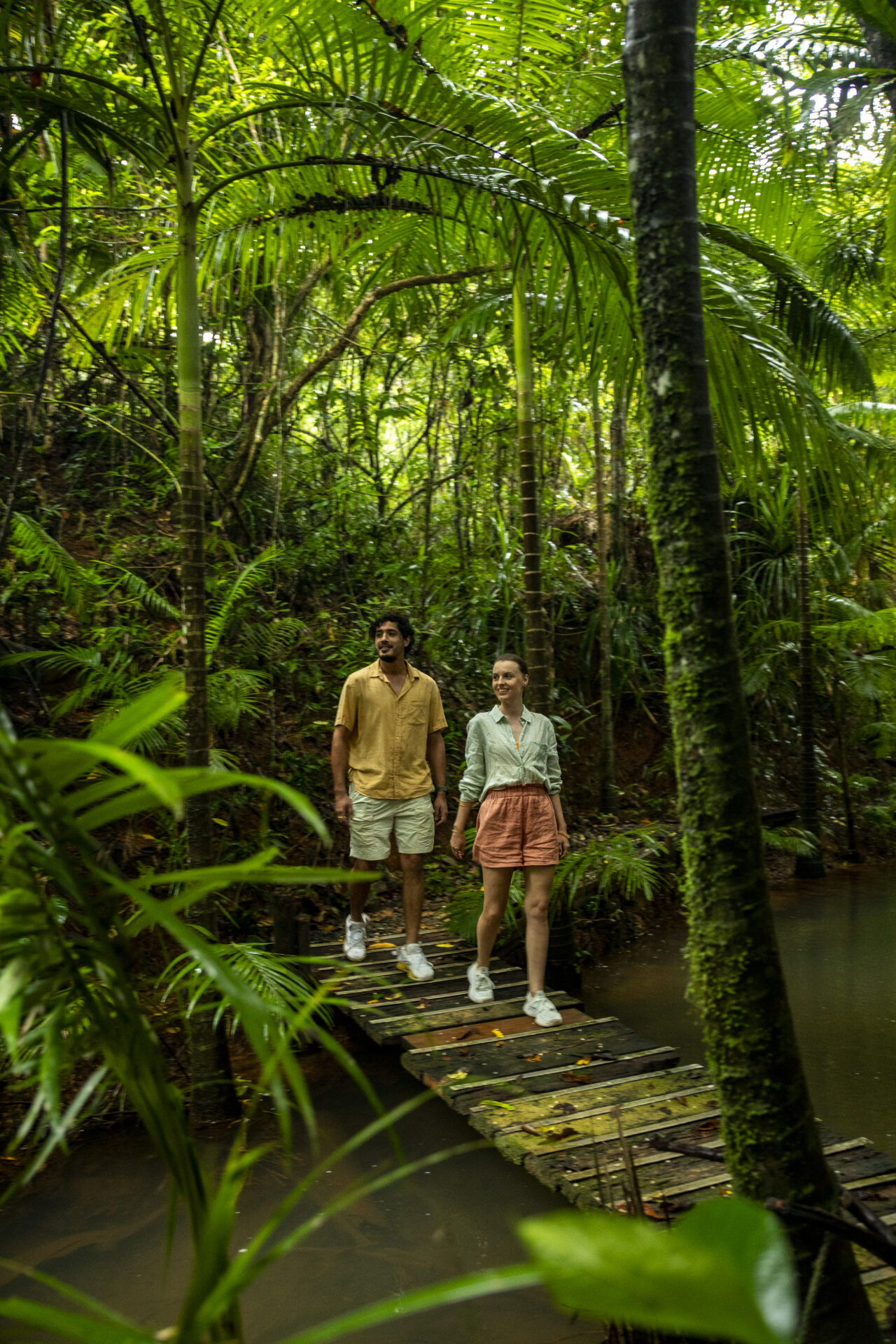
Wander a boardwalk beneath giant fan palms, spot ancient ferns and cycads, and listen for the calls of birds high in the canopy. Whether you join a guided walk or explore on your own, the rainforest is the heart of any Daintree visit.
The Great Barrier Reef
Just off the Daintree coast, the Great Barrier Reef is the world’s largest coral reef system and a World Heritage Area in its own right. Here, the rainforest and reef are only a short boat ride apart.
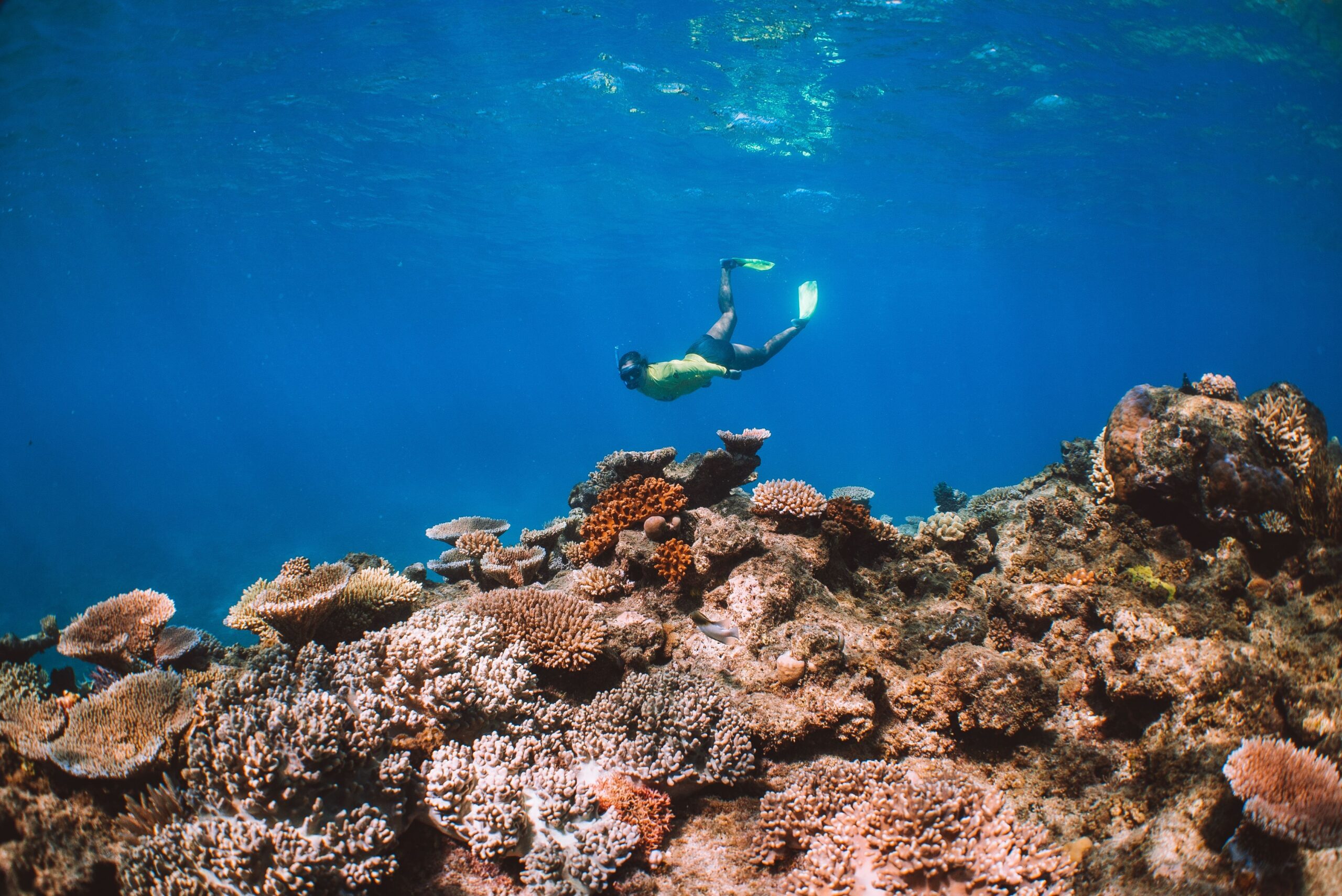
Small-group reef trips depart from Cape Tribulation, taking you to snorkel among coral gardens, sea turtles and colourful tropical fish, often with far fewer people than the busier reefs further south.
Rivers & Beaches
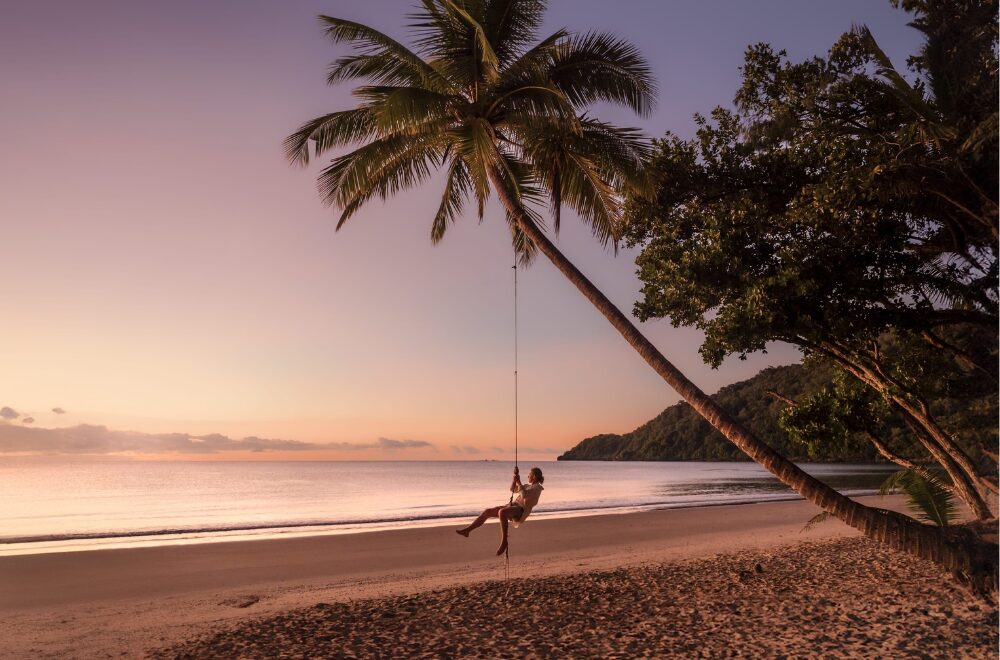
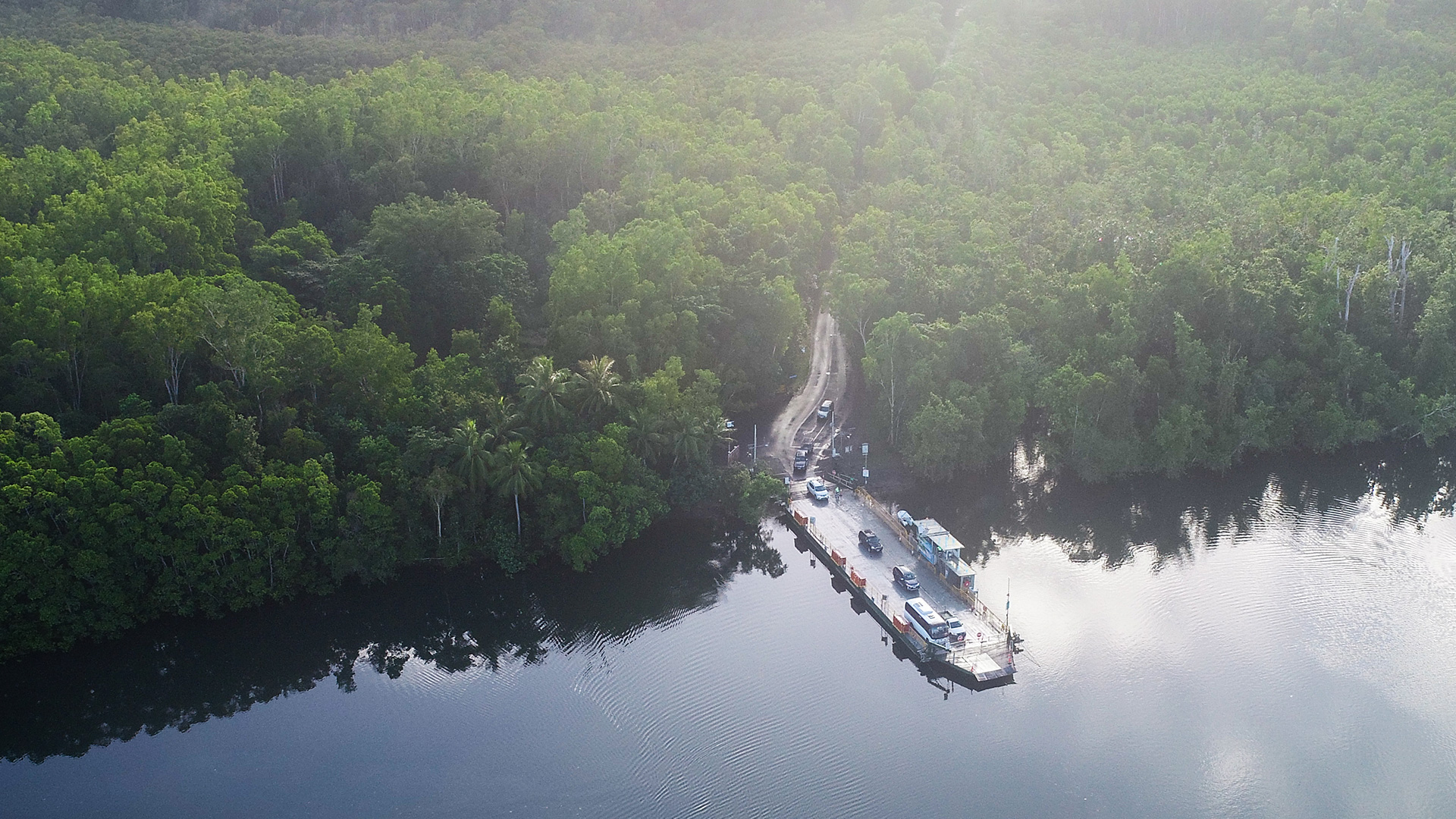
The mighty Daintree River winds through mangroves and lowland rainforest, and a river cruise is one of the best ways to spot crocodiles, birds and other wildlife. North of the river, quiet beaches like Cow Bay, Thornton Beach, Noah Beach and Cape Tribulation are fringed with rainforest right down to the sand.
Remember: crocodiles live in the region’s rivers, creeks and coastal waters, and marine stingers are present in warmer months. Always obey warning signs and never swim in rivers, creeks or estuaries.
History
Long before European arrival, the Eastern Kuku Yalanji people lived throughout this region, as they still do today. In 1770, Lieutenant James Cook named Cape Tribulation after the Endeavour struck a nearby reef. The Daintree River was later named after Queensland geologist Richard Daintree.
Timber cutters, farmers and settlers followed, and in the 1980s the area became the focus of a landmark conservation campaign. In 1988 the Wet Tropics, including the Daintree, was inscribed on the World Heritage List, helping protect this remarkable landscape for future generations.
Indigenous Culture
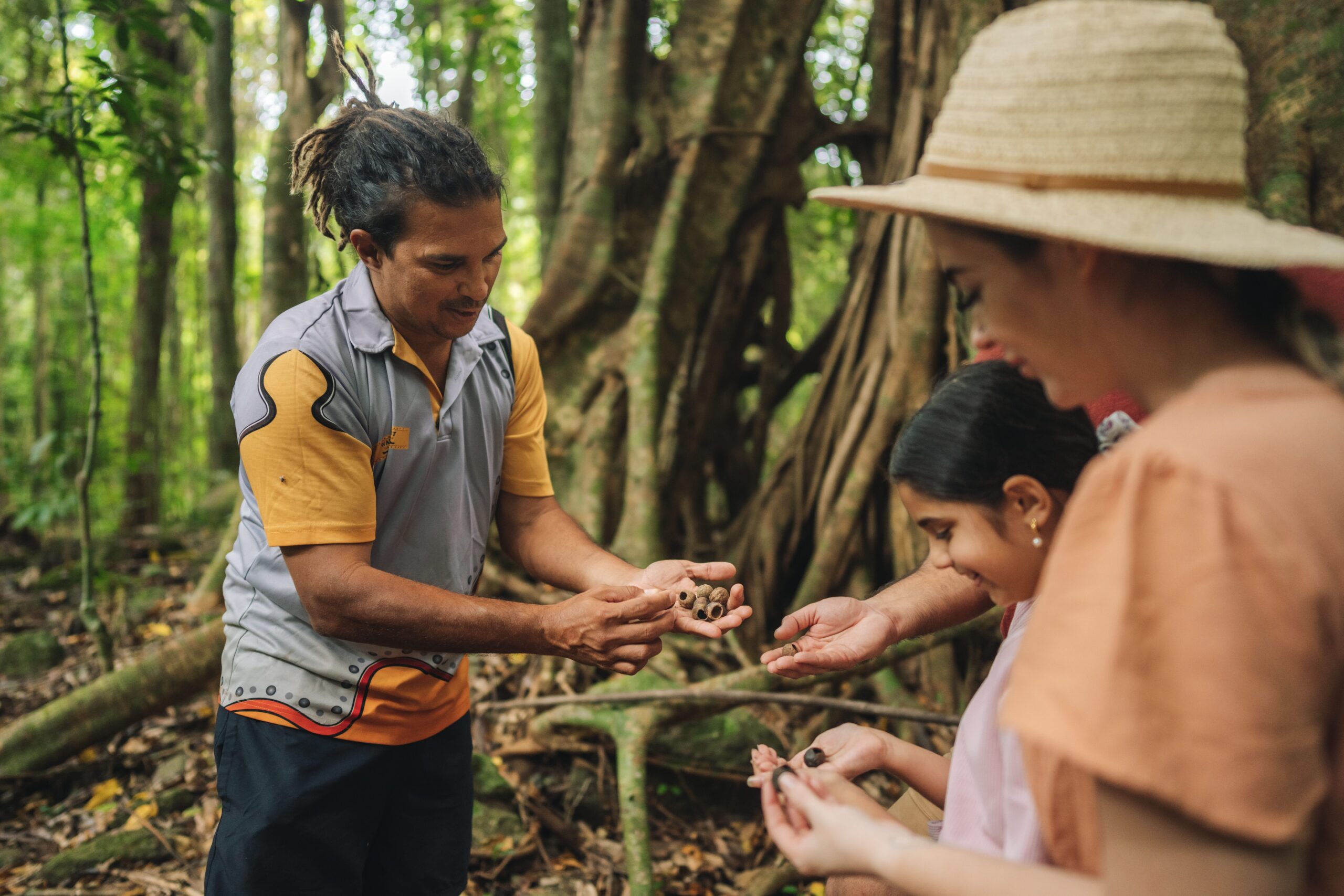
The Daintree is Eastern Kuku Yalanji Country. For thousands of generations, Kuku Yalanji people have lived with the rainforest and reef, using deep knowledge of plants, animals and seasons for food, medicine and shelter.
The best way to understand this connection is to experience it first-hand. Join an Indigenous-guided walk or cultural tour to learn about bush foods, traditional practices and the stories that bring this ancient landscape to life.